
Beyond Volumizing Sprays for Long-Term Density
hair can look fuller after a few sprays of styling product, but cosmetic volume lasts only until the next wash. when a widening part, visible scalp or smaller ponytail persists for several months, the underlying issue may require closer attention. hair density can change because of hormonal shifts, nutritional deficiencies, stress, illness or inherited patterns. recognizing that difference helps you move from temporarily disguising thinning areas to identifying treatments that support healthier growth over time.

THE LIMITS OF DRY TEXTURIZERS
dry texturizing spray adds grip between strands, absorbs some oil and lifts hair away from the scalp. a detailed texturizing spray guide explains why it can create a fuller finish without the stiffness of traditional hairspray. current texturizing spray recommendations also show how formulas vary by hold, finish and hair type.
these products can be helpful when you’re styling fine hair for work or a special event. however, they don’t change follicle activity or increase the number of growing hairs. heavy application may also leave residue that makes the scalp harder to assess. use a light amount through the mid-lengths and roots, then wash regularly according to your hair type.
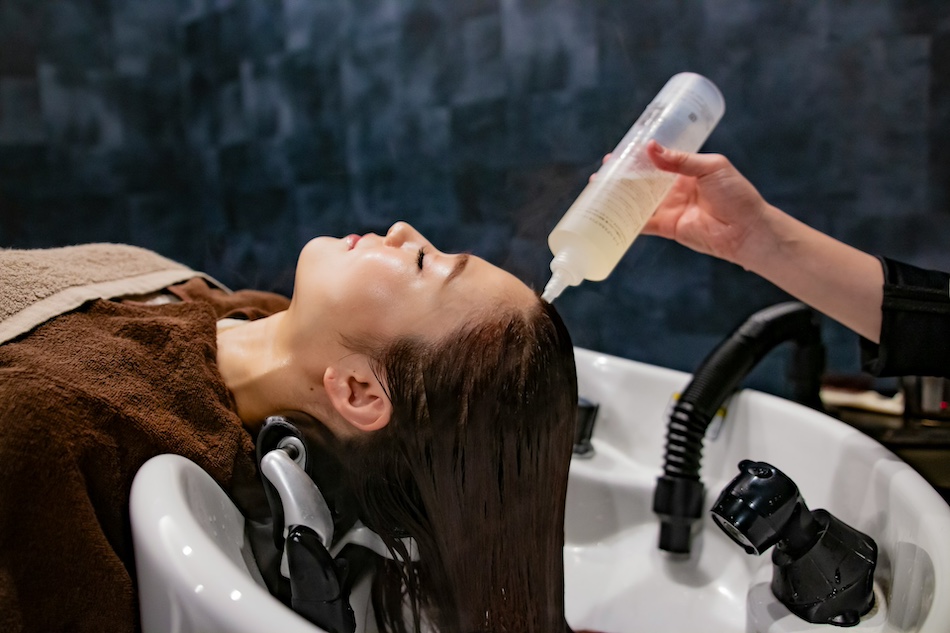
regular salon treatments can also help improve hair texture and manageability, particularly when strands have been weakened by repeated chemical processing or coloring. the experience of maintaining hair after professional coloring highlights the importance of ongoing care beyond the initial salon visit.

DIAGNOSTIC TOOLS THAT UNCOVER ROOT CAUSES
start tracking changes before trying several treatments at once. take monthly photographs in the same room, under the same lighting and with your hair parted in the same place. note increased shedding, scalp discomfort, recent illness, medication changes and major shifts in diet or menstrual patterns.
a clinician can examine the scalp under magnification to evaluate strand diameter, follicle distribution and signs of inflammation. depending on your history, testing may include thyroid function, iron stores or other markers linked to hair growth. a specialist protocol for women’s hair loss may combine this diagnostic work with medical treatments or hair transplantation when appropriate. early assessment can also distinguish gradual pattern thinning from sudden shedding that may resolve after its trigger passes.
TARGETED CARE FOR WOMEN’S HAIR LOSS
treatment should reflect the diagnosis, current health and degree of thinning. a topical medication may suit someone with pattern hair loss, while a nutritional deficiency requires correction under medical guidance. scalp inflammation may call for its own treatment before a growth-focused plan can work effectively.
bring a list of medications and supplements to your appointment, including the doses. tell the clinician if you’re pregnant, breastfeeding or planning a pregnancy because some therapies won’t be appropriate. ask how progress will be measured and when the plan will be reviewed. since visible improvement takes time, standardized photographs offer a more dependable comparison than checking the mirror every morning.
LONG-TERM TREATMENTS THAT REBUILD DENSITY
medical hair-loss treatments usually require consistent use over several growth cycles. some people notice less shedding first, while visible density may take six months or longer to assess. stopping a maintenance treatment can allow thinning to return, so discuss the expected commitment before starting.
low-level light therapy may be considered for certain patients, and transplantation can redistribute existing follicles into areas with permanent thinning. procedures such as follicular unit extraction and follicular unit transplantation differ in how follicles are collected and in the type of healing involved. ask about candidacy, realistic coverage, aftercare and the possibility of future thinning. no treatment creates unlimited density, which makes careful planning especially important when donor hair is limited.
CREATING A LASTING WELLNESS ROUTINE
build a routine that supports treatment without turning hair care into a daily source of stress. choose gentle cleansing, avoid tightly pulled styles and limit repeated high-heat styling on fragile strands. eat regular meals that include adequate protein and don’t start high-dose supplements without testing, since excess levels of certain nutrients can create health problems.
schedule progress checks at intervals recommended by your clinician. between appointments, record treatment use and any scalp irritation or unexpected shedding. give each medically guided plan enough time for a fair assessment instead of switching products every few weeks. for the next set of comparison photos, keep the lighting, camera distance and part placement identical. those small controls can reveal gradual density changes that styling products and day-to-day impressions may hide.