
Simple Secrets to Curating an Everlasting Style
a lasting personal style grows from careful choices repeated over time. jewelry can support that sense of continuity because a well-chosen piece works across seasons, outfits, and milestones. instead of filling a box with items you rarely wear, focus on materials, shapes, and details that feel comfortable every day. the result is a smaller collection with more meaning, greater versatility, and fewer impulse purchases.
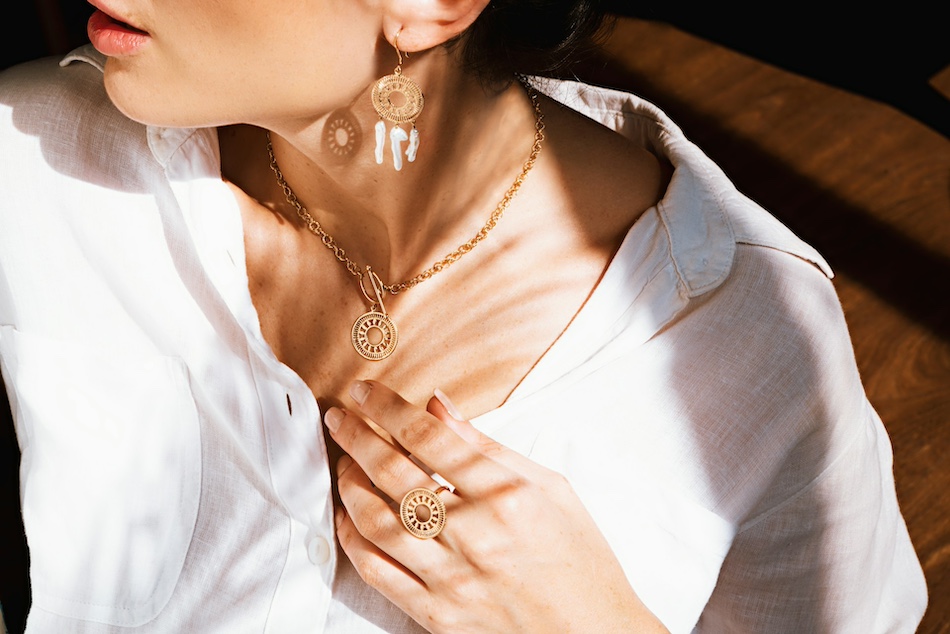
MOVING PAST FLEETING TRENDS
trends can offer fresh inspiration, but they shouldn’t control every purchase. recent metal style trends show how quickly preferences can shift between yellow tones, cooler finishes, and mixed-metal designs. use those changes as ideas, then consider how each piece fits your existing wardrobe.
before buying, picture yourself wearing the item with three outfits you already own. a slim bracelet might suit work clothes, a weekend sweater, and a special-event dress. if you can only imagine it with one highly specific look, give yourself a week before deciding. personal history can also guide your choices. this brief reflection i had on bringing back the past is a useful reminder that older influences often return with fresh relevance.
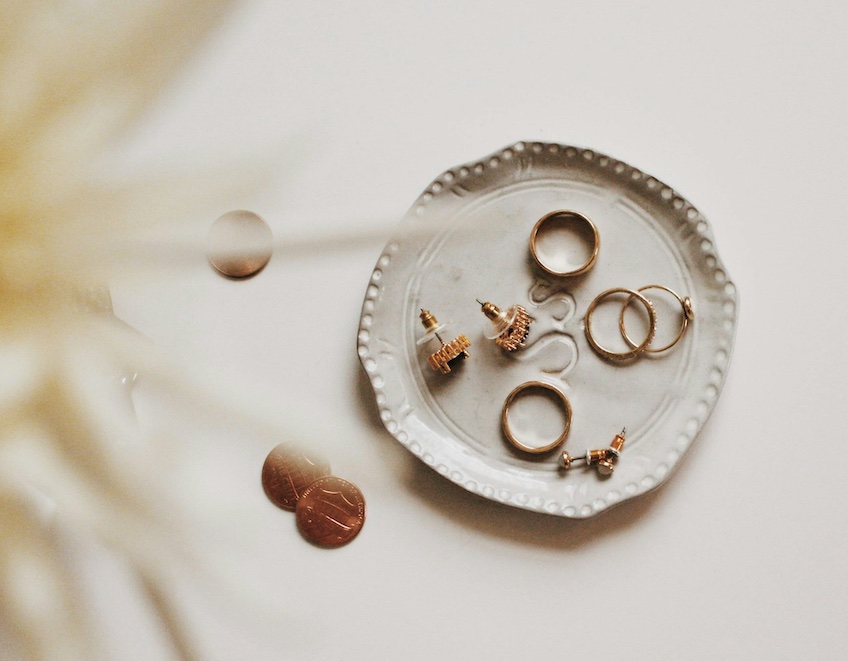
CHOOSING METALS THAT ENDURE
start with the colors you wear most often. yellow gold adds warmth to cream, brown, and olive, while white metals tend to complement gray, navy, and cooler shades. rose tones sit comfortably between the two and can soften an otherwise simple outfit. current metallic design trends may help you see familiar finishes in new combinations.
material quality matters as much as color. check the metal description, construction, and care guidance before purchasing. when comparing luxury bracelets, consider solid gold options, diamond settings, and designs that can be worn comfortably for several hours. a classic tennis bracelet or simple gold link can adapt to casual clothes and formal occasions without looking out of place.
FINDING YOUR SIGNATURE SILHOUETTE
your signature silhouette is the shape you naturally reach for again and again. it might be a narrow chain, a structured cuff, or a bracelet with one clear focal detail. look at the pieces you already wear to identify patterns in width, scale, and movement.
comfort offers another useful clue. measure your wrist and compare that figure with the listed dimensions, allowing enough room for natural movement. if you type throughout the day, a low-profile design may feel better than a wide piece that touches the desk. also consider proportion. delicate bracelets can sit neatly beside a watch, while a bold cuff often looks strongest on its own. repeating one preferred shape across different metals gives your collection a recognizable thread without making every piece identical.
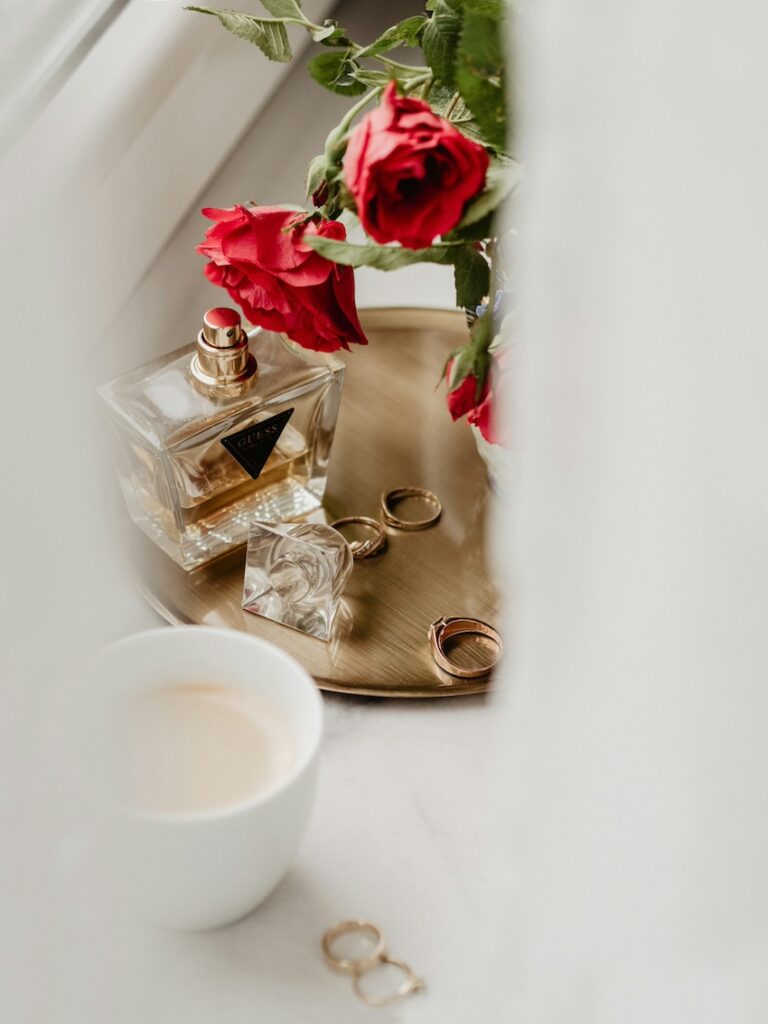
CARING FOR CHERISHED KEEPSAKES
create a simple routine that protects your jewelry from scratches, residue, and accidental damage. put pieces on after applying lotion, cosmetics, and fragrance, then remove them before exercise, bathing, or household cleaning. chemicals and repeated contact with hard surfaces can dull finishes or loosen delicate settings.
at the end of the day, wipe each item gently with a clean, soft cloth. store bracelets separately in lined compartments or individual pouches so chains don’t tangle and harder materials don’t rub against softer ones. check clasps and settings every few months, especially on frequently worn pieces. if something feels loose, stop wearing it until a qualified jeweler can inspect it. keep receipts, material details, and repair records together, since that information may help with future maintenance or appraisal.
the best collection will reveal itself through use. notice which bracelet feels natural during an ordinary week, give it a dedicated storage place, and care for it with the same attention that led you to choose it.